7 Best Hot Selling Bath Mats for Global Buyers

Time:2026-10-30 Author:Oliver
0%

A bathroom mat looks simple until buyers compare wet-foot grip, drying time, pile height, and wash care. For global buyers, the best choice must also suit local climate, bathroom size, and customer expectations. A Hot Selling Bath Mat is not simply soft or attractive; it should perform reliably beside a shower, beneath a sink, and after repeated laundering.

Design thinker William Morris offered a useful standard: “Have nothing in your houses that you do not know to be useful, or believe to be beautiful.” That balance matters here. A plush chenille mat may feel welcoming, while a low-profile microfiber option can dry faster in a humid room. Still, no single style fits every market.

This guide compares seven popular options, from memory-foam comfort to quick-drying, textured designs. It considers practical details buyers can inspect: backing stability, edge finishing, fabric feel, and care instructions. A mat that looks dense in a product photo may flatten quickly. That deserves a closer look. Product claims should be checked against sample testing and supplier documentation, not assumed from appearance alone.

The right selection depends on use, price range, and shipping needs. Some buyers prioritize easy washing; others want a softer step on cold tile. These distinctions are easy to overlook. The following choices offer a grounded starting point for evaluating products, while leaving room for regional preferences and honest reassessment.
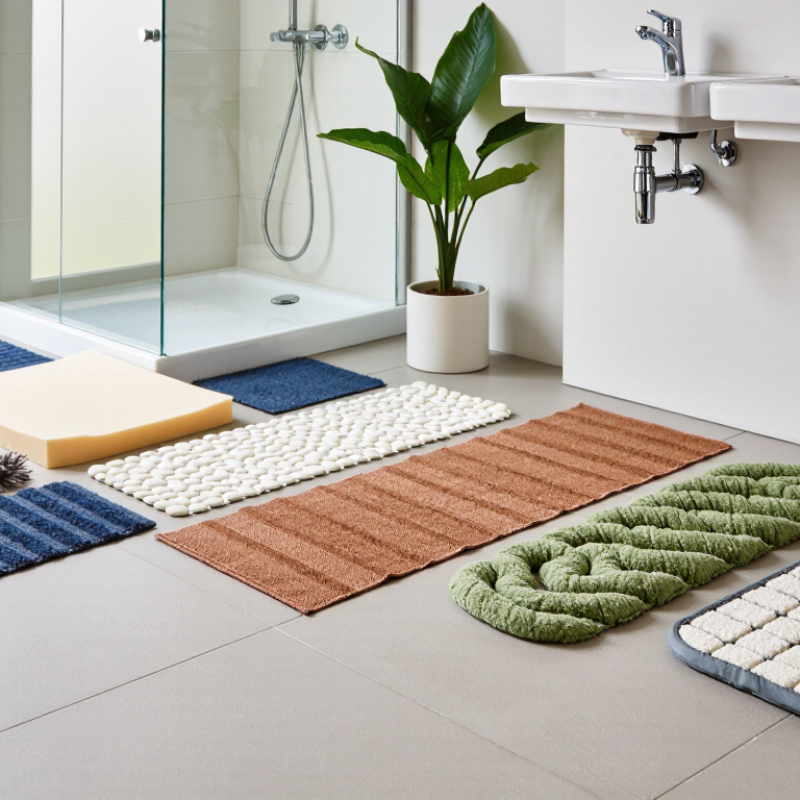
7 Best Hot Selling Bath Mats for Global Buyers

Understanding Bath Mats and Their Uses in Modern Bathrooms

A bath mat is a practical layer between wet feet and a hard bathroom floor. It absorbs drips after showers, adds warmth to cold tile, and can make stepping out feel steadier. That last benefit depends on the mat and the floor beneath it. A non-slip backing may help, but it cannot compensate for a damp, dusty, or uneven surface. Small detail, big difference.

Material affects daily use. Cotton feels soft and absorbs water well, though a thick pile can take longer to dry in a humid room. Microfiber often dries faster, but check its care instructions before washing. Choose a size that fits the space without blocking doors or curling against a shower edge. For example, a mat beside a narrow bathtub should leave enough clear floor for safe movement. A good fit matters.

Bath mats also need regular care. Hang one to dry between uses, and wash it when it holds an odor or feels less fresh. Follow the care label, since heat can damage some backing materials. No single mat suits every bathroom. A plush option may feel inviting, yet prove inconvenient in a small room with poor ventilation. Consider how the space is used, not just how the mat looks.

Key Materials, Designs, and Features of Popular Bath Mats

Bath mats sell well when their materials match everyday routines. Cotton feels soft under bare feet and absorbs water quickly, though thick loops may take longer to dry. Microfiber is lightweight and dries faster in many homes, but it can feel less substantial. Natural rubber or textured backing can help limit movement on smooth floors; it cannot prevent every slip. A flat weave suits compact bathrooms, while a plush pile adds comfort near a shower or tub. Simple stripes, neutral colors, and small geometric patterns often fit different interiors.

Tips: Check the care label, mat dimensions, and backing material before ordering. Hang the mat after use. Small details matter.

For global buyers, construction and care information deserve as much attention as appearance. Look for reinforced edges, even stitching, and colors that remain consistent across production batches. Confirm whether a mat is machine washable, and test it on the intended floor surface. One trade-off is easy to miss: a very thick mat may feel luxurious but can obstruct a door. No design fits every bathroom, so clear product measurements and realistic drying guidance help set reliable expectations.

Seven Best-Selling Bath Mat Styles for Global Buyers

Global buyers often compare bath mats by drying speed, hand feel, care needs, and price. A practical shortlist includes seven familiar styles, though no single option suits every bathroom. Cotton loop mats feel absorbent underfoot and fit everyday family use, but they may take longer to dry in humid rooms. Waffle-weave cotton feels lighter and packs neatly for retail, while its flatter texture may feel less cushioned. Chenille mats have soft, deep tufts that feel plush; check whether the pile sheds after repeated washing. Small details matter.

Quick-drying microfiber mats are lightweight and convenient for frequent laundering, but buyers should compare thickness and stitching across samples. Memory-foam mats offer a cushioned step beside the tub, though they can feel slow to air-dry if left flat on a damp floor. Rubber-backed washable mats can help limit sliding, but backing condition and care-label instructions deserve close inspection. Not always simple.

Wood-slat mats, often made from treated timber or bamboo, let water drain through the gaps and suit buyers seeking a firm, spa-like feel. They are less soft and need ventilation between uses. Before ordering, test a sample after several washes, measure common bathroom footprints, and confirm colors under natural light. I would not judge quality from a product photo alone; pile height and backing can look different in person.

7 Best Hot Selling Bath Mats for Global Buyers - Seven Best-Selling Bath Mat Styles for Global Buyers
Bath Mat Style Common Material Typical Size Options Key Characteristics Backing or Base Care Guidance Suitable Use
Cotton Loop Cotton yarn, often woven or tufted 50 × 80 cm; 60 × 90 cm Soft underfoot, absorbent, and available in a broad range of colors and woven textures. May be unbacked or finished with a non-slip backing; construction varies by product. Many styles are machine washable. Follow the care label and dry thoroughly between uses. Everyday family bathrooms and buyers who prefer natural-fiber textures.
Microfiber Chenille Polyester microfiber pile 45 × 75 cm; 50 × 80 cm; 60 × 90 cm Plush pile helps capture water from wet feet and provides a cushioned feel. Commonly fitted with a PVC or TPR-style grip backing; check suitability for the floor surface. Usually machine washable on a gentle cycle. Avoid high heat if specified on the care label. Home bathrooms where a soft, high-pile mat is preferred.
Memory Foam Polyester fabric cover with polyurethane foam 40 × 60 cm; 50 × 80 cm; 60 × 90 cm Cushioned construction offers a supportive feel; water absorption depends on the cover fabric. Often has a textured or coated underside; grip performance varies by design and floor condition. Check whether the cover is removable or machine washable. Allow the foam core to dry completely. Vanities and bathrooms where comfort underfoot is a priority.
Diatomaceous Earth Stone Porous mineral-based composite, with formulation varying by manufacturer About 40 × 60 cm; 45 × 70 cm Rigid, flat surface designed to absorb moisture and dry quickly; unlike fabric mats, it is not plush. Typically used with a separate grip pad or feet on suitable flooring. Wipe clean and air-dry. Follow product instructions; do not assume it is machine washable. Minimalist bathrooms and users seeking a firm, quick-drying surface.
Bamboo Slat Bamboo slats, sometimes assembled with cord or a supporting frame About 40 × 60 cm; 50 × 80 cm Raised slat construction allows air to circulate beneath the surface and gives a firm feel. May include small feet or a separate grip layer; confirm the design before use on smooth floors. Wipe with a damp cloth and let dry in a ventilated area. Avoid prolonged standing water. Dry areas beside a shower or tub, especially for buyers who prefer a natural look.
Quick-Dry Flat-Weave Polyester or cotton-polyester blend 50 × 80 cm; 60 × 90 cm Low-profile woven surface is generally easier to shake out than a deep-pile mat. May be unbacked or have a non-slip coating; verify the backing and floor compatibility. Shake or vacuum regularly; many styles can be machine washed according to their care label. Frequently used bathrooms, laundry areas, and homes that prefer a low-profile mat.
Rubber Safety Mat Natural rubber or synthetic rubber, depending on the product About 35 × 70 cm; 50 × 80 cm Flexible, water-resistant construction; drainage holes or textured surfaces are common on some designs. Rubber underside or suction cups, depending on whether the mat is intended for use inside or outside a tub. Rinse and hang or lay flat to dry. Clean beneath the mat regularly to help prevent residue buildup. Wet areas where grip is important; select a product specifically designed for the intended location.
Size options and construction are typical examples, not universal specifications. Actual dimensions, materials, washing instructions, and slip resistance vary by product; buyers should confirm details on the individual product label.

How to Compare Bath Mats for Safety, Comfort, and Durability

7 Best Hot Selling Bath Mats for Global Buyers

How to Compare Bath Mats for Safety, Comfort, and Durability

A bath mat should stay steady on a wet floor, feel comfortable underfoot, and withstand frequent washing. Check its backing on the surface where it will be used; suction cups may grip smooth tiles but perform poorly on textured floors. A mat that shifts near a tub can become a real hazard. Look for clear care instructions and a backing that does not curl after drying.

Comfort depends on more than thickness. Dense fibers can feel soft, yet may take longer to dry in a humid bathroom. Compare pile height, absorbency, and how easily the mat releases water when lifted. Run your hand across the surface, then check its edges and stitching. Small differences matter. Product photos are useful, but they cannot show how a mat feels after several washes. I would treat a very plush sample as promising, not proven.

Tips: Ask suppliers for dimensions, material details, and wash-test results. If possible, test samples on both smooth and textured flooring. Check drying time, too. A mat that stays damp overnight may not suit every household. No single construction fits every bathroom, so compare performance with the intended use.

7 Best Hot-Selling Bath Mat Types for Global Buyers

Compare common bath mat materials for safety, comfort, and durability. Scores are indicative buyer-guide ratings, not standardized laboratory test results; backing, finish, care, and floor type can affect performance.

Rating scale: 1 = lower typical suitability; 5 = higher typical suitability. Check product details for slip-resistant backing and care instructions before buying.

What Global Buyers Should Know About Sourcing and Care

Global buyers comparing hot-selling bath mats should assess construction, not just color or price. Cotton mats feel familiar and absorb water quickly, while microfiber styles often dry faster after use. Chenille offers a plush texture, but its loops may need careful washing. Diatomaceous materials feel firm and suit buyers seeking a quick-drying surface. Small details matter.

Before placing a bulk order, request a sample and confirm dimensions, fiber content, backing material, and care instructions. Ask how colorfastness and absorbency are checked, and compare the sample with the written specification. Packaging also deserves attention: compressed mats can arrive creased, while bulky cartons raise freight costs. Not always an easy trade-off. A supplier’s answers should be specific and consistent, though one sample cannot predict every production batch.

Care affects customer satisfaction after delivery. Buyers should share clear washing guidance, since hot water or harsh bleach may weaken fibers or fade dyes. Mats with non-slip backing may need gentle cycles and air drying; follow the manufacturer’s instructions because backing materials differ. Encourage users to hang mats fully open between uses, especially in humid bathrooms. Even a well-made mat can develop odor if left damp. That is worth acknowledging in product information.

FAQS

Which bath mat material absorbs water quickly?

Cotton absorbs water quickly and feels soft under bare feet. Thick loops may take longer to dry.

Do microfiber bath mats dry faster?

Microfiber is lightweight and often dries faster. It may feel less substantial underfoot.

What backing helps keep a mat in place?

Natural rubber or textured backing can limit movement on smooth floors. It cannot prevent every slip.

How should I choose a mat’s thickness?

A plush pile adds comfort near a shower or tub. Check the door clearance; thick mats can obstruct it.

Do suction cups work on every floor?

They may grip smooth tiles, but can perform poorly on textured flooring. Test the mat on the intended surface.

What details should I check before buying?

Check dimensions, care instructions, backing, reinforced edges, and even stitching. Small details matter.

How can I tell if a bath mat is comfortable?

Compare pile height and fiber density, then feel a sample if possible. Photos cannot show how it feels after washing.

How often should I dry a bath mat?

Hang it after use and check how quickly it dries. A mat that stays damp overnight may not suit a humid bathroom.

Conclusion

Bath mats add comfort, absorb moisture, and help keep bathroom floors dry after bathing or showering. Popular options vary in material, texture, shape, and construction, from soft, absorbent fabrics to quick-drying surfaces and cushioned designs. A Hot Selling Bath Mat should balance practical performance with a style that suits different bathroom layouts and preferences. Buyers can compare features such as water absorption, drying time, softness, stability, ease of cleaning, and resistance to everyday wear.

For global buyers, choosing among seven popular bath mat styles means considering the needs of their customers, the intended use, and the product’s care requirements. Clear sourcing checks can help assess material quality, consistent sizing, packaging, and suitability for different markets. Following the care instructions, washing mats regularly, and allowing them to dry fully can support hygiene and extend their useful life. Overall, the best choice combines safety, comfort, durability, and straightforward maintenance.


Oliver

Oliver

Oliver is a seasoned marketing professional with a wealth of expertise in driving brand awareness and engagement. With a deep understanding of our company's product offerings, he consistently delivers high-quality content that enriches our professional blog. His insights not only shed light on......