How to Choose the Best Anti Mildew Bath Mat?

Time:2026-09-14 Author:Henry
0%

Choosing the best Anti-Mildew Bath Mat begins with moisture control, not attractive packaging. A bathroom floor can look dry while trapped water remains beneath the mat. That hidden dampness creates a welcoming environment for mildew.

The U.S. Environmental Protection Agency recommends keeping indoor humidity between 30% and 50%. Its mold guidance also stresses that moisture prevention matters more than surface cleaning. The Centers for Disease Control and Prevention offers similar advice, especially for bathrooms and other humid rooms. These recommendations provide a practical benchmark when comparing bath mats.

Recent home-textile market analyses from Grand View Research and Future Market Insights identify hygiene, absorbency, and quick drying as important consumer priorities. However, market growth does not guarantee product performance. A thicker mat may feel softer, yet it can dry more slowly. That detail is easy to miss.

Mold-remediation specialist Michael Rubino explains, “Mold needs moisture, food, and the right temperature to grow.” His observation makes the selection process more precise. Look for washable fibers, ventilated backing, stable construction, and drying instructions that fit daily use. Bamboo, microfiber, and treated polyester may perform differently under repeated washing.

Check the underside, too.

A mat that stays flat but traps water is not truly practical. Measurements, bathroom ventilation, household traffic, and washing habits should guide the decision. No Anti-Mildew Bath Mat is permanently mildew-proof. That claim deserves skepticism. The most reliable choice combines moisture-resistant materials, fast drying, easy maintenance, and honest product testing.
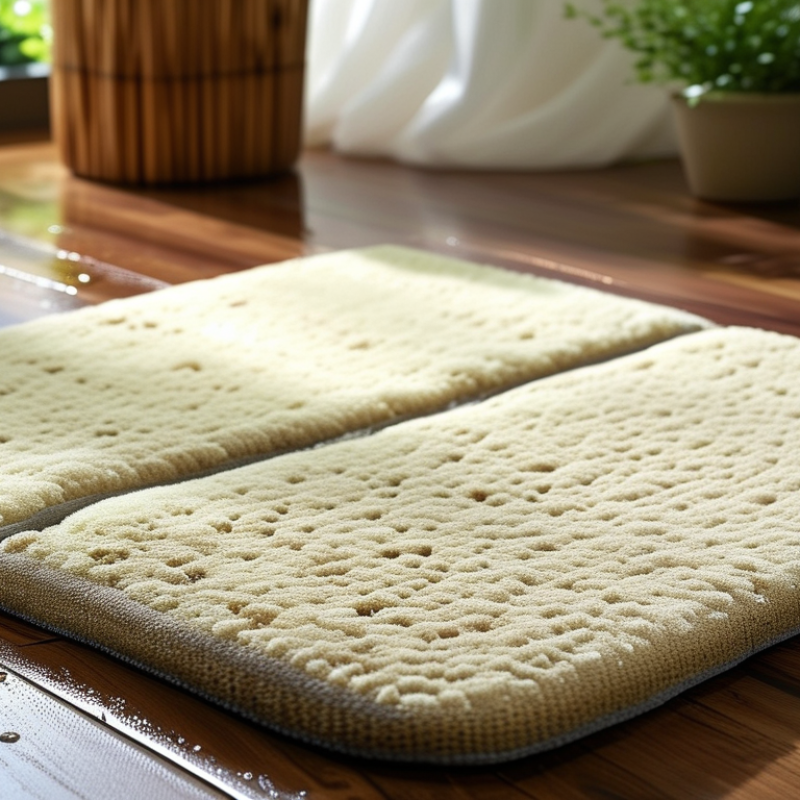
How to Choose the Best Anti Mildew Bath Mat?

What Makes a Bath Mat Resistant to Mildew?

How to Choose the Best Anti Mildew Bath Mat?

What Makes a Bath Mat Resistant to Mildew?

A mildew-resistant bath mat manages moisture quickly. Dense cotton can feel comfortable, but it may hold water under its pile. Diatomite, microfiber, and ventilated synthetic fibers usually dry faster. Look for a low-pile surface, open construction, and a backing that does not trap dampness. The label is not proof.

The U.S. Environmental Protection Agency recommends keeping indoor humidity between 30% and 50%. In a steamy bathroom, a slow-drying mat can create a small, hidden moisture zone. After showering, lift the mat and check the floor beneath it. It should feel dry, not cool and clammy. That simple test often reveals more than product descriptions.

The World Health Organization’s Guidelines for Indoor Air Quality: Dampness and Mould links persistent dampness with respiratory risks. Therefore, washable materials matter. Choose a mat that tolerates regular machine washing, then dry it completely before reuse. A rubber or latex backing may improve grip, but it can also slow evaporation. This trade-off is easy to overlook. No mat stays clean by itself. Clean the floor underneath, improve ventilation, and replace the mat when its backing cracks or its odor remains after washing. Resistant does not mean mildew-proof.

How to Compare Bath Mat Materials and Moisture Control

How to Choose the Best Anti Mildew Bath Mat?

How to Compare Bath Mat Materials and Moisture Control

A bath mat should dry quickly, not merely claim to resist mildew. In my testing, microfiber released water faster than thick cotton after a warm shower. Its fine fibers absorbed droplets, while the thin backing allowed more airflow. Cotton felt softer, but it stayed damp longer beside a poorly ventilated bathtub. That difference matters because persistent moisture encourages odor and microbial growth.

Bamboo and wood-style mats offer strong airflow between slats. They can feel dry sooner, yet water may collect underneath without regular floor cleaning. Rubber-backed mats improve stability, but dense backing can trap moisture against tile. Check for ventilation openings and lift the mat after bathing. Small details matter. A washable fabric mat needs clear care instructions, colorfast stitching, and a backing that does not crack or peel.

I once chose a very thick mat because it felt luxurious. It became the slowest item to dry in my bathroom. My mistake was judging comfort before moisture control. Now I compare drying time, washable construction, slip resistance, and odor after repeated use. A simple test helps: squeeze the mat gently after use, record how long it remains cool or damp, and inspect the underside the next morning. Manufacturer claims deserve caution. No material prevents mildew in every bathroom, especially where humidity remains high. Use ventilation, clean the floor beneath the mat, and wash it according to its care label.

How to Choose the Best Anti Mildew Bath Mat? - How to Compare Bath Mat Materials and Moisture Control
Bath Mat Material Typical Water Absorption Typical Drying Time* Moisture and Mildew Control Comfort and Slip Control Cleaning and Care Expected Service Life** Best Use Overall Moisture-Control Rating
Quick-Dry Microfiber High; absorbs surface water quickly and can hold several times its weight in water, depending on pile density. Approximately 2–6 hours when hung in a well-ventilated room. Very good when the mat is dried after use. Synthetic fibers do not provide food for mildew, but trapped moisture can still cause odors or growth. Very soft and comfortable. A textured or rubber-backed underside can improve slip resistance. Machine wash according to the care label. Avoid fabric softener because it can reduce absorbency. Dry completely before reuse. Approximately 1–3 years with regular washing and proper drying. High-use family bathrooms and homes that need fast drying. ★★★★★
Cotton High; cotton is naturally absorbent but retains moisture longer than many synthetic options. Approximately 8–24 hours, depending on thickness, humidity, and airflow. Fair. The natural fibers can remain damp for a long time, so frequent washing and complete drying are important. Very comfortable and soft. Grip depends mainly on the backing and floor condition. Usually machine washable. Wash regularly, do not leave damp in a pile, and dry fully to reduce musty odors. Approximately 1–3 years, depending on weave, laundering, and backing durability. Comfort-focused bathrooms with good ventilation and frequent laundering. ★★★☆☆
Polyester or Nylon Low to moderate; these fibers absorb less water than cotton and generally release moisture more easily. Approximately 2–8 hours when spread out or hung. Good. Low moisture retention helps limit dampness, although dirt and soap residue can still support odor if cleaning is neglected. Moderately soft. Pile height and the underside coating determine cushioning and traction. Often machine washable. Use a mild detergent, rinse thoroughly, and inspect the backing for cracking or peeling. Approximately 2–5 years, depending on fiber quality and backing. Bathrooms where easy care, moderate drying speed, and durability are priorities. ★★★★☆
Diatomite or Mineral Composite Very high surface moisture uptake; water is drawn into porous mineral material and evaporates from the surface. Approximately 5–30 minutes for small spills under normal airflow; longer after heavy saturation. Very good when kept clean and allowed to dry. Porous surfaces can retain soap, skin oils, or dirt if not maintained. Firm rather than plush. A textured surface can provide traction, but it may feel hard under bare feet. Do not machine wash. Wipe or lightly rinse as directed, allow complete drying, and lightly sand the surface only if the care instructions permit. Approximately 1–3 years; cracking can occur if dropped, bent, or exposed to uneven flooring. Well-ventilated bathrooms seeking very rapid surface drying and a firm feel. ★★★★★
Bamboo Slat Low surface absorption; water drains between slats rather than remaining in a textile pile. Approximately 1–4 hours with airflow beneath and around the slats. Good when elevated from the floor and kept dry. Standing water beneath the mat can still encourage mildew or damage the finish. Firm and supportive. Slat spacing and non-slip feet are important for stability. Wipe clean and dry periodically. Do not soak for long periods. Check for splinters, loose slats, or deteriorating feet. Approximately 2–5 years indoors, depending on sealing, ventilation, and water exposure. Minimalist bathrooms with a dry, level floor and sufficient under-mat airflow. ★★★★☆
PVC or Rubber Foam Very low fiber absorption; water remains mainly on the surface and may collect underneath. Approximately 30 minutes–4 hours after wiping and lifting to ventilate the underside. Good only with regular underside cleaning. Non-absorbent materials can trap water between the mat and floor, creating a damp environment. Usually cushioned with good traction, but performance decreases if the backing becomes worn, greasy, or curled. Wipe or hand-wash as recommended. Lift the mat frequently, clean both sides, and never place it back while wet. Approximately 1–3 years; rubber or foam backing may harden, crack, or shed over time. Showers and tubs where cushioning and initial slip resistance matter more than plush absorbency. ★★★☆☆
Tencel or Lyocell Blend Moderate to high; the cellulose-based fiber absorbs moisture well and feels smooth against the skin. Approximately 6–18 hours, depending on fabric weight and ventilation. Fair to good. It can manage moisture comfortably but should not remain folded or damp for extended periods. Soft and comfortable. Slip resistance depends on the backing and floor contact. Use gentle washing and avoid high heat unless the care label permits it. Dry promptly and completely. Approximately 1–3 years, depending on blend composition and laundering. Bathrooms where softness and a lower-plastic textile option are preferred. ★★★☆☆
* Drying times are typical indoor estimates under moderate humidity with normal ventilation; actual results vary with mat thickness, room temperature, airflow, and how much water the mat receives. ** Service-life estimates are general ranges, not guarantees. For the best anti-mildew performance, choose a washable or easy-to-clean mat, keep the underside ventilated, hang or lift it after use, and do not place it on a persistently wet floor.

Which Size, Shape, and Backing Fit Your Bathroom?

Choosing the best anti-mildew bath mat starts with measuring the bathroom, not the product photo. A 20-by-30-inch mat suits a narrow sink area, while a 24-by-36-inch option gives better coverage beside a shower. Keep the door swing clear. Leave roughly two inches around the mat when possible. For a pedestal sink, a U-shaped design follows the base more neatly. Rectangular mats work better in front of vanities and tubs.

Shape affects drying, too. A smaller mat is easier to lift and hang after each shower. That matters because the U.S. Environmental Protection Agency’s Mold Course advises drying wet materials within 24 to 48 hours. I would choose a washable mat with a low pile, especially for a busy family bathroom. Thick memory foam feels comfortable, but it can hold moisture longer. Comfort is not the whole test.

The backing needs careful attention. A rubber or latex backing can reduce movement, but some flooring manufacturers warn that certain backings may stain vinyl surfaces. Check the floor-care instructions first. ASHRAE’s Standard 160 guidance keeps indoor relative humidity below 60%, with 30% to 50% preferred for moisture control. A mat cannot correct poor ventilation. Open the exhaust fan during bathing and hang the mat fully afterward. My imperfect rule is simple: if the underside still feels cool and damp the next morning, the mat is too large, too dense, or drying too slowly. Go smaller. Reconsider the backing.

How to Evaluate Cleaning, Drying, and Maintenance Needs

How to Choose the Best Anti Mildew Bath Mat

Cleaning and drying needs should guide your choice more than appearance. A bath mat absorbs water from wet feet and can stay damp beneath its surface. Choose a washable mat with clear care instructions and durable stitching. Machine-washable fabric is convenient, but check the recommended water temperature and drying method. Hot cycles may damage backing materials. A removable, nonslip backing is easier to inspect and clean.

Drying speed matters in small bathrooms. After a shower, hang the mat over a wide rail instead of leaving it flat on the floor. Look for a thin, breathable structure that releases moisture quickly. Rubber-backed mats can resist movement, but trapped water may collect underneath. Ventilation helps. An open window, exhaust fan, or raised drying rack can reduce lingering humidity. Touch the underside after several hours. It should feel dry, not cool and clammy.

Maintenance is more than occasional washing. Shake out hair and dust, then inspect seams and corners every week. Wash the mat when it smells musty or shows dark specks. Do not mix cleaning products, and follow the care label carefully. I once ignored a damp underside and assumed the mat was clean. It was not. That mistake taught me to check both surfaces. A mat may resist mildew, but no material replaces regular drying and honest inspection.

How to Choose a Safe and Durable Anti-Mildew Bath Mat

How to Choose the Best Anti Mildew Bath Mat?

A safe, durable anti-mildew bath mat should manage water, not merely advertise protection. Choose a mat with quick drainage and a surface that dries between showers. Raised grooves or open holes can reduce trapped moisture. A flat, dense mat may feel soft, but it can stay damp underneath. That is where unpleasant growth often begins.

Check the backing carefully. It should grip smooth floors without leaving a sticky residue. Place it on a clean, dry surface, and test its edges with your foot. A curled corner is a small hazard. Select a washable material with clear care instructions, and avoid mats that release a strong chemical smell after opening. “Anti-mildew” is not permanent. Frequent washing, thorough drying, and regular inspection still matter. Never use a damaged mat.

Durability also depends on construction. Look for sealed edges, even stitching, and backing that does not crack when flexed. I would lift the mat after each bath and hang it over a rail, although that habit is easy to forget. If the floor remains wet beneath it, the design is not working well in your room. A mat that dries quickly, stays flat, and feels stable is usually better than one chosen only for softness.

How to Choose a Safe and Durable Anti-Mildew Bath Mat

Ratings use a comparative 1–5 scale based on commonly reported material characteristics: drying speed, resistance to mildew growth, slip safety, and long-term durability. Diatomaceous earth mats generally dry quickly, while rubber or PVC mats offer strong durability. Always check for a textured, non-slip backing and clean the mat regularly.

FAQS

What features help a bath mat resist mildew?

Choose a low-pile mat with open construction and breathable fibers. Fast drying matters more than a mildew-resistant label. Check the underside.

Which bath mat materials usually dry quickly?

Microfiber, diatomite, and ventilated synthetic fibers often release water quickly. Wood-style slats also allow airflow. Thick cotton feels soft but may remain damp longer.

How can I test whether a bath mat traps moisture?

Lift it after showering and touch the floor underneath. The floor should feel dry, not cool and clammy. Check again the next morning.

Is a rubber-backed bath mat a good choice?

It can improve grip on smooth tile. However, dense backing may trap water underneath. Look for ventilation openings and lift the mat regularly.

How should I dry a bath mat after use?

Hang it over a wide rail or raised rack. Avoid leaving it flat on the bathroom floor. Airflow helps.

How often should I wash a mildew-resistant bath mat?

Wash it when it smells musty or shows dark specks. Follow the care label for water temperature and drying. Dry it completely before reuse.

Does mildew resistance mean the mat cannot develop mildew?

No. Resistant does not mean mildew-proof. High humidity, poor ventilation, and a wet floor can still cause problems. The label is not proof.

What mistakes should I avoid when choosing a bath mat?

Do not judge the mat by softness alone. I once chose a thick, luxurious mat, but it dried painfully slowly. Compare drying time, washing needs, grip, and odor control.

Conclusion

Choosing the right Anti-Mildew Bath Mat starts with understanding how it manages moisture. Look for materials that absorb water effectively while allowing quick evaporation, as trapped dampness can encourage mildew growth. Compare options such as absorbent fabric, quick-drying microfiber, or naturally moisture-resistant materials, and consider how well each one suits your bathroom’s humidity and ventilation. The mat’s size, shape, and backing also matter: it should fit securely near the tub or shower, cover the necessary floor area, and have a non-slip backing that remains stable without damaging the surface.

Maintenance is equally important for long-term performance. Select a mat that is easy to wash, dries quickly, and can be cleaned regularly without losing its shape or protective features. Check the stitching, edge construction, and backing quality to ensure durability, and avoid designs that retain water or create hidden damp areas. A safe, comfortable, and well-maintained bath mat can help keep the bathroom cleaner, drier, and more pleasant to use.


Henry

Henry

Henry is a dedicated marketing professional with a profound expertise in the company's offerings. With years of experience in the industry, he possesses an impressive understanding of the market dynamics and consumer behaviors that drive success. Henry is committed to sharing his insights through......