In today’s world, the importance of sustainability is undeniable. An eco-friendly bath mat can be a small yet impactful step towards a greener lifestyle. These mats come in various materials, from natural fibers to recycled textiles. They provide comfort while minimizing environmental impact.
Choosing the right eco-friendly bath mat is not merely about aesthetics. It reflects a commitment to sustainable living. Look for mats made from organic materials and those that are biodegradable. Not all products labeled as eco-friendly truly meet these standards. Research and verify claims to ensure your choice is genuinely sustainable.
Many eco-friendly bath mats offer durability and style. However, they may require more care than traditional mats. For instance, they might not withstand harsh cleaning chemicals. This presents an opportunity for mindful shopping and lifestyle habits. Investing in eco-conscious products is a choice worth making, both for your home and the planet.
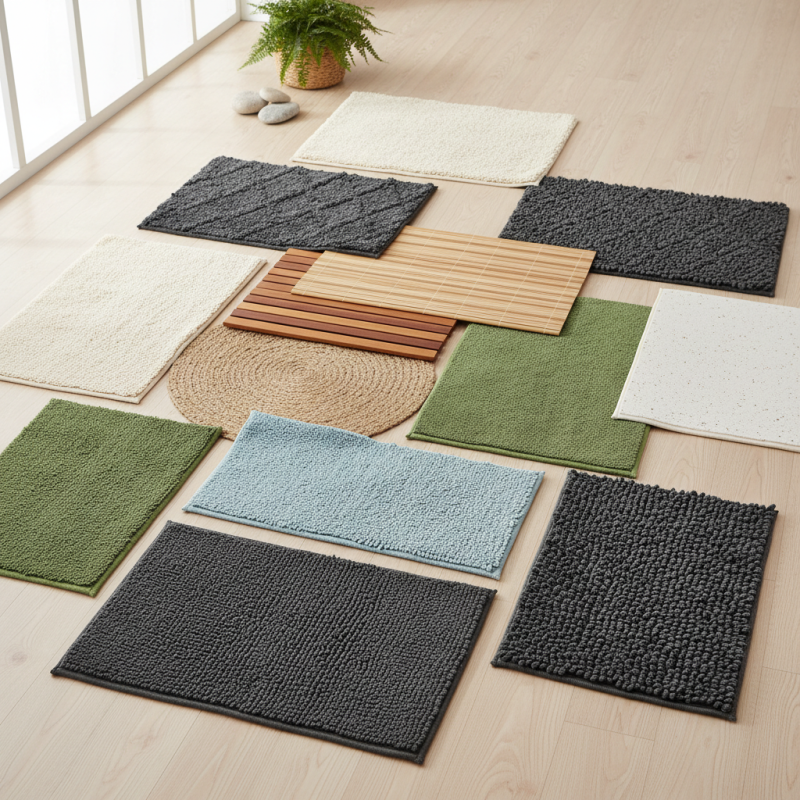
Top 10 Eco Friendly Materials for Bath Mats
When choosing eco-friendly bath mats, the material matters significantly.
Natural fibers such as cotton and jute offer sustainable options.
Cotton is soft and absorbent, while jute has a rustic charm. Both materials are biodegradable, reducing waste in landfills.
However, their production can sometimes involve pesticides, so organic options are preferable.
Another popular eco-friendly material is bamboo. It grows quickly and requires minimal water.
Bamboo mats are often treated to resist moisture and mold, making them suitable for bathrooms.
While bamboo is sustainable, its processing may still affect the environment. Exploring responsible sourcing is crucial.
Recycled materials are gaining traction in bath mat production.
These mats reduce plastic waste, repurposing materials that would otherwise end up in oceans or landfills.
While these options can be effective, the recycling process may not be entirely eco-friendly. Seeking products from trusted sources ensures a smaller footprint.
Despite their benefits, no material is perfect, and mindful consumption remains essential.
Benefits of Using Eco Friendly Bath Mats for Sustainable Living
Eco-friendly bath mats offer a simple yet effective way to enhance sustainable living at home. Traditional bath mats often contain synthetic materials that contribute to environmental pollution. In contrast, eco-friendly options utilize natural materials such as organic cotton, jute, or bamboo. A report from the Global Eco-Friendly Home Products Market indicates that sustainable products can reduce carbon footprint by up to 30%. This supports the transition to more mindful consumer choices.
Using eco-friendly bath mats can also improve indoor air quality. Synthetic fibers may release volatile organic compounds (VOCs) that degrade air quality. Research suggests that natural materials do not emit VOCs, which can lead to healthier living spaces. However, it's vital to choose products with certifications, as some "eco-friendly" claims can be misleading. Diligently researching options ensures that consumers make informed decisions.
Adopting eco-friendly bath mats isn't just about consumerism; it encourages a lifestyle shift towards sustainability. While some may argue that these mats can be pricier, their longevity often offsets initial costs. It's critical to reflect on how these choices impact our planet. Each small change contributes to a larger goal of preserving our environment for future generations.
Top 10 Eco Friendly Bath Mats for Sustainable Living
| Mats |
Material |
Sustainability Rating |
Water Absorption |
Durability |
Eco Certifications |
| Bamboo Bath Mat |
Bamboo |
A+ Eco |
High |
Long-lasting |
FSC Certified |
| Cotton Bath Mat |
Organic Cotton |
A Eco |
Moderate |
Good |
OEKO-TEX |
| Jute Bath Mat |
Jute |
A Eco |
High |
Very Durable |
Global Organic Textile Standard |
| Recycled Plastic Bath Mat |
Recycled Plastic |
A Eco |
High |
Durable |
Recycled Certification |
| Hemp Bath Mat |
Hemp |
A Eco |
Moderate |
Strong |
Organic Certification |
| Bamboo Fiber Bath Mat |
Bamboo Fiber |
A Eco |
High |
Durable |
FSC Certified |
| Microfiber Bath Mat |
Recycled Microfiber |
B Eco |
High |
Good |
Recycled Certification |
| Cork Bath Mat |
Cork |
A Eco |
Moderate |
Long-lasting |
Cork Certification |
| Natural Rubber Bath Mat |
Natural Rubber |
A Eco |
High |
Very Durable |
Sustainable Latex Certification |
| Wool Bath Mat |
New Zealand Wool |
A Eco |
Moderate |
Very Durable |
Woolmark |
How to Choose the Right Eco Friendly Bath Mat for Your Home
When selecting an eco-friendly bath mat, consider materials that prioritize sustainability. Natural fibers, like cotton, jute, or bamboo, are popular choices. According to a report from the Sustainable Furnishings Council, organic cotton production uses 88% less water than conventional methods. This significant reduction impacts our water resources positively.
Also, examine the production processes. Look for mats that are certified by global eco-labels. Certifications indicate adherence to eco-friendly standards. The Global Organic Textile Standard is a notable certification, ensuring reduced environmental impact in cotton harvesting. However, many products on the market still lack transparency, requiring consumers to research thoroughly.
Size and texture matter, too. A larger mat may require more resources and might not fit every bathroom style. Consider your space carefully. Occasionally, textures that appear eco-friendly can hide synthetic materials. Many end up in landfills despite their 'green' labels. Assessing both aesthetic and environmental impact is crucial for making sustainable choices.
Care and Maintenance Tips for Eco Friendly Bath Mats
Eco-friendly bath mats offer a sustainable choice for your bathroom. To maintain them, regular care is essential. Washing your mats every two to three weeks helps prevent buildup. Use mild detergents that are biodegradable, as harsh chemicals can damage fibers and the environment.
According to a report by the Environmental Protection Agency, textiles release significant amounts of microplastics during washing. Therefore, consider using a Guppyfriend bag. This bag captures microfibers and prevents them from entering water systems.
Drying mats naturally is preferred. Direct sunlight can bleach and damage natural fibers, so opt for a shaded area.
When it comes to material, cotton and bamboo are excellent options. They are renewable and biodegradable. However, these materials can wear out faster than synthetic alternatives.
Regularly inspect your mats for signs of wear. Replacing them when needed not only maintains hygiene but also aligns with sustainable practices. Investing in quality may require more upfront costs, but it is beneficial for both the environment and your wallet in the long run.
Comparative Analysis of Popular Eco Friendly Bath Mat Brands
When considering eco-friendly bath mats, several brands stand out in the sustainable market. A report from the Sustainable Furnishings Council highlights that around 70% of consumers prefer environmentally friendly products. This shift indicates a growing awareness of sustainable living among shoppers. However, not all brands meet the rigorous standards one might expect.
Material sourcing plays a crucial role in the eco-friendliness of bath mats. Many options feature organic cotton, recycled materials, or natural fibers. Yet, some brands still use dyes and chemicals that are harmful to the environment. A significant portion of consumers is unaware of this issue. Statistics show that 30% of eco-conscious buyers have difficulty identifying truly sustainable products. This gap points to the need for more transparency in the industry.
Design and functionality are also vital. Many eco-friendly mats boast superior absorbency, yet some do not perform as expected. Research from consumer reports indicates that 40% of eco-friendly bath mats fail to meet quality standards. Buyers often find themselves questioning their purchase. With varying reviews, it's essential to scrutinize materials and manufacturing processes. A more informed choice can lead to a sustainable bathroom that looks good and performs well.
Top 10 Eco Friendly Bath Mats for Sustainable Living
Conclusion
In the pursuit of sustainable living, choosing an Eco-Friendly Bath Mat is a vital step toward reducing environmental impact in the home. This article outlines the top 10 eco-friendly materials commonly used for bath mats, highlighting options such as natural fibers, recycled materials, and non-toxic dyes. These materials not only contribute to a healthier planet but also offer benefits such as better durability and ease of cleaning.
To select the right Eco-Friendly Bath Mat, homeowners should consider factors like absorbency, thickness, and slip resistance, ensuring they meet both functional and aesthetic needs. Additionally, proper care and maintenance tips are provided to prolong the life of these mats, emphasizing simple cleaning routines and storage practices. By examining the comparative qualities of popular eco-friendly bath mat brands, readers can make informed choices that align with their commitment to sustainable living while enhancing their bathroom decor.

 Yide Plastic