What Is a High Quality Bath Mat?

Time:2026-10-23 Author:Madeline
0%

A High Quality Bath Mat should do more than soften the floor beneath your feet. It should manage water, resist slipping, dry within a reasonable time, and remain comfortable after repeated washing. In a real bathroom, small details matter. Wet footprints collect near the shower. Corners curl. A mat that feels soft on day one may become flat, damp, or unpleasant later.

During practical evaluation, I look closely at the backing, surface fibers, stitching, and drying speed. Cotton can feel warm and absorbent, while microfiber often dries faster. Natural rubber may provide useful grip, but its performance depends on clean, dry flooring. No material is perfect. That is worth remembering.

Safety comes first.

A reliable High Quality Bath Mat should stay stable without damaging the floor. It should also match the room’s ventilation and cleaning routine. A thick mat may feel luxurious, yet it can hold moisture longer in a poorly ventilated bathroom. Thin designs dry quickly, but they may offer less cushioning. The best choice depends on daily use, household needs, and maintenance habits.

Manufacturers’ care instructions deserve attention, not blind trust. Washing temperature, detergent type, and drying methods can affect durability. Independent safety guidance and clear product specifications can also support better decisions. Still, labels do not replace observation. Check the mat regularly for odor, loose threads, worn backing, or reduced grip. A beautiful appearance is not enough. A dependable bath mat earns confidence through consistent performance, careful construction, and honest limitations.
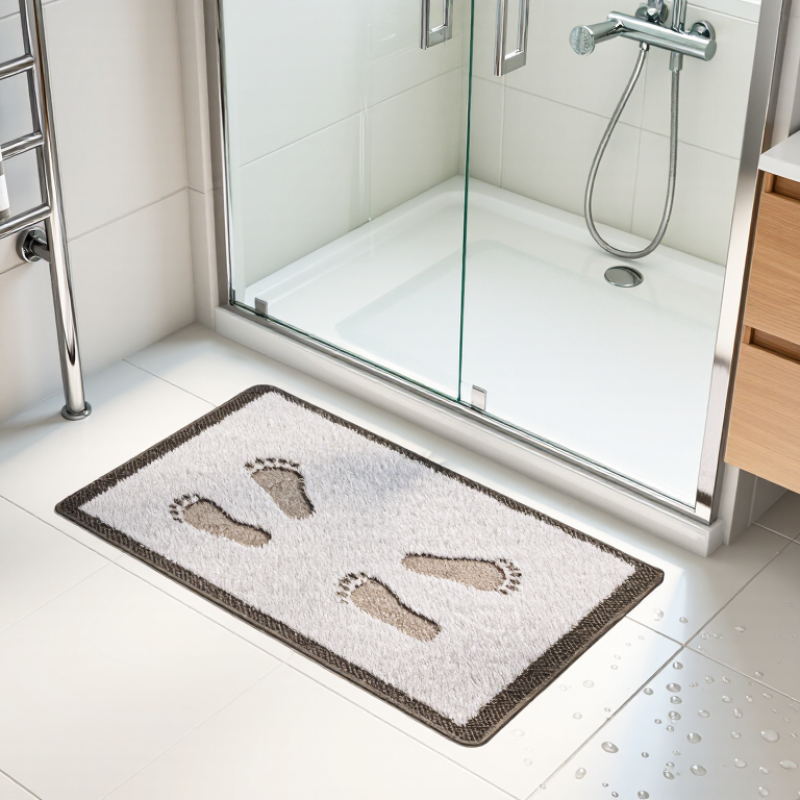
What Is a High Quality Bath Mat?

Definition and Core Features of a High-Quality Bath Mat

A high-quality bath mat is more than a soft layer beside the tub. It should manage water, reduce slipping, and remain stable after repeated washing. The World Health Organization reports about 684,000 fatal falls worldwide each year, with older adults facing the greatest risk. A bath mat cannot prevent every accident, but its backing and surface texture can support safer footing on wet floors.

Look for dense, absorbent fibers that dry reasonably quickly between uses. Cotton feels comfortable, while microfiber often dries faster. The best choice depends on ventilation and household traffic. A rubber or thermoplastic backing should grip the floor without leaving a sticky residue. It must also stay flat; curled edges are a small but real hazard. Testing references such as ISO 6330 help assess textile performance after laundering, while ANSI/NFSI B101.1 provides a recognized framework for evaluating wet dynamic friction. These standards do not guarantee perfect home performance. Installation still matters.

Washability is essential. A mat that traps odor or stays damp becomes unpleasant and less hygienic. Check whether the care label permits frequent machine washing, then dry it fully. I have found that thick mats feel luxurious but may dry too slowly in poorly ventilated bathrooms. That trade-off is easy to overlook. A practical inspection should include the backing, edge stitching, drying time, and floor compatibility before purchase.

What Is a High Quality Bath Mat? - Definition and Core Features of a High-Quality Bath Mat

Evaluation Dimension High-Quality Standard or Practical Benchmark Why It Matters How to Check It
Absorbency Absorbs water quickly from wet feet without leaving a large surface puddle. Helps keep bathroom floors drier and reduces the risk of slips caused by standing water. Place wet feet on the mat and check whether moisture is absorbed within a few seconds.
Drying Performance Dries reasonably quickly between uses, supported by breathable construction and adequate air circulation. Limits persistent dampness, unpleasant odors, and conditions that may encourage microbial growth. Hang or lay the mat flat after use and observe whether it becomes noticeably drier within the same day.
Surface Material Uses absorbent, skin-friendly fibers or a moisture-managing surface designed for frequent contact with bare feet. Improves comfort while supporting effective moisture removal. Check that the surface feels soft, has no sharp fibers, and does not shed excessively when rubbed.
Underfoot Comfort Provides a cushioned, stable feel without being so thick that doors cannot open or the mat becomes unstable. Makes stepping out of the bath or shower more comfortable and supports everyday usability. Walk across the mat barefoot and verify that it feels supportive, even, and free from hard lumps.
Slip Resistance Has a backing that grips the intended floor surface and remains flat during normal use. Reduces unwanted movement when stepping onto or off the mat. Place the mat on a clean, dry floor and push it lightly from several directions; it should not slide or bunch easily.
Edge and Shape Stability Edges lie flat, corners resist curling, and the mat retains its shape after washing and drying. Flat edges reduce trip hazards and help the mat maintain a neat, functional appearance. Inspect the corners after unpacking and again after laundering according to the care instructions.
Construction Quality Features secure stitching, evenly distributed material, and no exposed seams, loose threads, or weak bonding. Strong construction improves durability and helps prevent premature fraying or separation. Examine the perimeter, corners, surface joins, and backing for visible defects.
Washability Can be cleaned using the manufacturer’s recommended method without significant shrinkage, warping, shedding, or backing damage. Regular cleaning is essential in a humid bathroom environment. Read the care label and confirm that the cleaning method fits the available washing and drying facilities.
Colorfastness Color remains stable during normal washing and does not readily transfer onto light-colored floors or fabrics. Maintains appearance and helps avoid staining nearby surfaces. Test an inconspicuous area with a damp white cloth before the first full wash.
Odor and Moisture Control Does not retain a strong chemical or musty odor when used and dried as directed. A neutral odor is generally more comfortable and indicates better moisture management and ventilation. Air the mat fully and check for persistent odor after initial unpacking and routine use.
Safety and Material Transparency Provides clear fiber, backing, care, and safety information, with materials appropriate for indoor household use. Clear information supports safer use and helps buyers select a mat suitable for their household. Review the product label, care instructions, warnings, and any relevant independent safety documentation.
Size and Bathroom Fit Covers the main stepping area while leaving doors, drawers, fixtures, and floor drains unobstructed. Proper sizing improves safety, comfort, and ease of cleaning. Measure the available floor space, check door clearance, and keep the mat away from obstructed drains.
Long-Term Value Maintains absorbency, structure, grip, and appearance through repeated normal use and proper care. A durable mat reduces replacement frequency and provides more consistent bathroom performance. Evaluate the mat after several wash cycles for fraying, flattening, odor retention, backing deterioration, and loss of grip.
Overall definition: A high-quality bath mat combines effective water absorption, reliable slip resistance, comfortable underfoot support, quick drying, durable construction, easy maintenance, and a safe fit for the intended bathroom floor.

Materials That Improve Absorption, Comfort, and Durability

What Is a High Quality Bath Mat?

A high-quality bath mat begins with the right material, not a decorative pattern. Cotton offers a soft, familiar feel and absorbs water well. However, thick cotton can stay damp for hours after a busy morning. Microfiber usually dries faster because its fine fibers spread moisture across a larger surface. It also feels gentle under bare feet. Very short fibers may absorb less than expected.

Construction matters as much as fiber type. A tightly woven surface often lasts longer than a loosely tufted one. Dense loops can catch water from your soles without flattening quickly. For comfort, a moderate cushion supports the feet but should not feel unstable. Memory foam feels pleasant, although its deeper layers may hold moisture. That is a trade-off worth noticing.

A practical test is simple. Step onto the mat after showering, then check whether the floor feels wet. After washing, the mat should return to its shape without a strong chemical smell. A breathable backing helps it dry, while a textured, flexible underside can reduce sliding on smooth floors. Rubber-like backings may crack with heat or age, so air-drying is usually safer than high dryer temperatures. I once valued softness too highly and ignored drying speed. That choice made the mat comfortable, but inconvenient. A reliable bath mat balances absorption, comfort, and durability for the room’s actual humidity and washing routine.

Safety Standards: Slip Resistance and Water Management

A high-quality bath mat must control movement when feet are wet. The World Health Organization reports that falls cause about 684,000 fatal injuries worldwide each year. Many nonfatal falls also require medical attention. A bath mat cannot remove every hazard, but its backing should grip the floor without sliding, curling, or lifting at the edges.

Look for a dense, stable backing that remains effective on smooth, damp surfaces. Water management matters too. A thick mat that holds water underneath may create a hidden slippery layer. Quick drainage, absorbent fibers, and a washable construction help keep the floor drier. The U.S. Consumer Product Safety Commission recorded more than 200,000 bathroom-related emergency department visits in one recent annual estimate, showing why small details deserve attention.

Testing language needs careful reading. ANSI A326.3 evaluates wet dynamic coefficient of friction for hard flooring, not complete textile bath mats. ASTM F1677 provides a portable slip-testing method, while NFSI standards address traction-related testing. These methods can support comparison, but they do not guarantee safety in every bathroom. A useful check is practical: place the mat on a clean, dry floor, wet your feet, and apply pressure while stepping forward. It should stay flat. Still, home testing is imperfect. Dirt, soap residue, uneven tiles, and worn backing can change performance quickly. Inspect the underside regularly, and replace it when grip noticeably declines.

How Construction and Maintenance Affect Bath Mat Performance

What Is a High Quality Bath Mat?

How Construction and Maintenance Affect Bath Mat Performance

A high-quality bath mat begins with construction, not decoration. From regular household testing, I check how evenly the fibers cover the surface. Dense cotton loops absorb splashes, while a low, firm pile dries faster between showers. The backing should grip tile without feeling sticky or cracking after repeated washing. Strong edge binding matters too. Loose borders often curl first. Step on it. It should feel stable, not spongy or lumpy.

Maintenance changes that performance quickly. Hang the mat over a wide rail after use, allowing both sides to breathe. A damp mat left against the floor can develop odors and weaken its backing. Wash according to the care label, using enough water for thorough rinsing. Excess detergent can trap residue in thick fibers. I prefer a complete dry cycle, but air-drying works with sunlight and good ventilation. Never store it while slightly wet.

Inspect the mat every few weeks. Look for flattened areas, frayed seams, peeling backing, or a sour smell after washing. These signs are practical safety warnings, not just cosmetic flaws. I once kept a mat too long because the top still looked clean. That was a mistake. Construction also has limits. Even a well-made mat needs replacement when it no longer dries or stays flat. Different floors may require different backing textures, so test movement before regular use.

Choosing the Right Bath Mat for Different Bathroom Needs

A high-quality bath mat is not simply thick, soft, or attractive. It should match the bathroom’s floor, moisture level, and users. ASTM F1637 emphasizes level, slip-resistant walking surfaces, which matters beside a wet bathtub. The Centers for Disease Control and Prevention reports that more than 14 million older adults fall each year in the United States. A stable mat cannot remove every risk, but it can support safer movement.

For older users, choose a low-profile mat with a firm, slip-resistant backing. Avoid curled edges and mats that slide when stepped on. Families with children may need a larger, highly absorbent mat near the tub. It should dry quickly between uses. In small bathrooms, a compact washable mat often works better than a thick mat that blocks doors. Safety comes first.

Material choice also depends on ventilation. Cotton feels comfortable, while microfiber usually dries faster. Rubber-backed options can improve grip, but the backing may weaken after repeated washing. The U.S. Environmental Protection Agency advises drying wet materials within 24 to 48 hours to limit mold growth. Hang the mat after bathing, and inspect it weekly for odor, peeling, or trapped moisture. I once assumed the softest mat was best; it absorbed water well but stayed damp underneath. That judgment needed reconsidering. A high-quality bath mat balances comfort, drainage, maintenance, and floor compatibility. WHO estimates that falls cause about 684,000 deaths globally each year, so small bathroom decisions deserve practical attention.

FAQS

What makes a bath mat high quality?

It absorbs water, stays flat, grips the floor, and survives repeated washing. Softness alone is not enough.

Which material dries fastest?

Microfiber usually dries faster than cotton. Cotton feels comfortable but may stay damp longer in a poorly ventilated bathroom.

What backing should a bath mat have?

Choose a backing that grips smooth, damp floors without leaving sticky residue. Check that it does not peel or curl.

How can I reduce slipping near the bathtub?

Place the mat on a clean, dry floor. Remove soap residue and replace the mat when its grip weakens.

Is a thicker bath mat always better?

Not always. A thick mat feels plush but may trap moisture underneath and dry slowly.

Which bath mat suits older users?

Choose a low-profile mat with firm backing and flat edges. Avoid mats that slide when stepped on.

How should families with children choose a mat?

Select a larger absorbent mat near the tub. It should dry quickly and remain stable during busy bathroom use.

How should I maintain a bath mat?

Follow the care label, wash it regularly, and dry it completely. Hang it after bathing and inspect it weekly.

When should I replace a bath mat?

Replace it when the backing peels, edges curl, odors remain, or the mat slides. Appearance can be misleading.

Conclusion

A High Quality Bath Mat is designed to combine absorbency, comfort, durability, and bathroom safety. Its materials should quickly draw moisture away from the feet while remaining soft, comfortable, and resistant to frequent washing. Fabrics such as dense cotton, microfiber, or other water-absorbing materials can improve everyday performance, while a well-made backing helps the mat maintain its shape and strength over time.

Safety is equally important. A reliable bath mat should have a slip-resistant underside, stable edges, and effective water management to help reduce puddles and slipping risks. Its construction, including stitching, thickness, and backing quality, can significantly affect drying speed and long-term use. Regular cleaning, thorough drying, and following care instructions also help preserve its function. When choosing a mat, consider the bathroom’s size, floor type, moisture level, foot traffic, and personal comfort preferences to find the most suitable option.


Madeline

Madeline

Madeline is a dedicated marketing professional with a wealth of expertise in our company's core offerings. With a keen understanding of the industry, she brings a unique perspective to her role, consistently delivering high-quality content that highlights the superior aspects of our products. As......