In recent years, the demand for Non-Phthalate PVC Bath Mats has surged as consumers seek safer options for their homes. Experts agree that using mats free from harmful phthalates is crucial in wet areas, especially in bathrooms. Dr. Emily Carter, a materials safety expert, emphasizes that "choosing a Non-Phthalate PVC Bath Mat can significantly reduce exposure to toxic chemicals."
While many bath mats claim to be safe, not all live up to expectations. Consumers often face a challenging choice amid a multitude of options. The importance of materials cannot be overstated. Mats should resist mold growth and maintain their anti-slip properties even when wet. Yet, even the best mats can suffer wear and tear over time, prompting the need for regular replacements.
Some consumers may feel overwhelmed by the variety available. This can lead to choosing the wrong products, which might not meet safety standards. Companies continually innovate to provide better and safer options. It is vital for buyers to research and verify the claims of manufacturers. A well-informed decision can ensure a safe and hygienic environment in bathrooms.
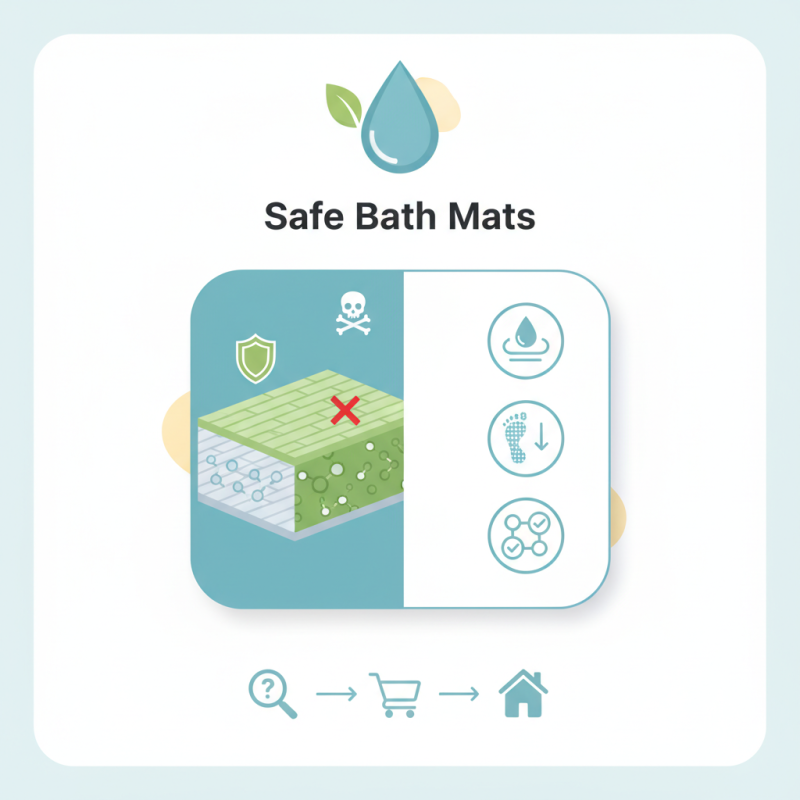
When selecting bath mats for wet areas, safety is crucial. Non-phthalate PVC bath mats offer a safer alternative to traditional materials. These mats are free from harmful chemicals that can pose health risks. Instead, they provide a reliable grip on your bathroom floor. This helps minimize the risk of slipping and falling on wet surfaces.
Look for mats with textured surfaces. They enhance traction, adding to the safety features. Additionally, mats that are easy to clean and dry quickly reduce the risk of mold and mildew. Regular maintenance can extend the life of your bath mat. Inspect it frequently for wear and tear. A worn mat might not provide the needed grip.
Tips: Choose mats that are machine-washable. This makes cleaning effortless, ensuring hygiene in your bathroom. Also, consider mats with anti-bacterial properties. They help keep germs at bay. Make sure the mat fits securely in your space. A poorly placed mat can also create hazards. Prioritize your safety and comfort, ensuring your wet areas remain secure and clean.
Non-phthalate PVC has gained attention for its health and environmental benefits. Traditional PVC often contains phthalates, chemicals linked to health risks, including endocrine disruption. Research by the European Chemical Agency shows that replacing phthalates with non-toxic alternatives in production could reduce associated health issues.
In wet areas like bathrooms, using non-phthalate PVC bath mats offers safety and comfort. Unlike their phthalate-laden counterparts, non-phthalate mats do not leach harmful chemicals into the environment. A report from the American Society for Testing and Materials (ASTM) indicates that non-phthalate options exhibit lower volatility and toxicity, making them safer for children and pets.
Although non-phthalate PVC has fewer health risks, awareness is still limited. Many consumers remain unaware of the advantages of choosing these mats. Ongoing education around product safety is essential. Encouraging awareness can lead to better purchasing decisions, ultimately benefitting both personal health and the environment.
Choosing non-phthalate PVC bath mats for wet areas is essential for safety and health. Industry standards, such as ASTM D4236, guide the materials used in these products. According to the Vinyl Institute, non-phthalate formulations significantly reduce health risks, being preferable to traditional phthalate-containing options. In fact, research shows that non-phthalate alternatives have a lower environmental impact. These measures ensure a safer experience, especially in areas prone to slipping and falls.
Tips for selecting the right bath mat include checking for certifications that indicate compliance with safety regulations. Look for mats that are labeled as anti-slip and water-resistant. Ensure that the mats lay flat and do not curl at the edges, which could pose tripping hazards. Not all mats meet strict safety standards, meaning buyers must be vigilant in examining product claims.
It’s important to remember that not all products marketed as 'non-toxic' are equally reliable. Additionally, variation in material quality can lead to performance inconsistencies. Regular cleaning is necessary to maintain safety and hygiene. Evaluate your bath mat regularly for wear and tear, as these factors can impact its effectiveness over time.
| Model | Material | Size (inches) | Weight (lbs) | Slip Resistance Rating | Easy to Clean |
|---|---|---|---|---|---|
| Model A | Non-Phthalate PVC | 24 x 16 | 1.5 | High | Yes |
| Model B | Non-Phthalate PVC | 30 x 18 | 1.8 | Medium | Yes |
| Model C | Non-Phthalate PVC | 35 x 20 | 2.0 | Very High | Yes |
| Model D | Non-Phthalate PVC | 28 x 23 | 1.6 | High | Yes |
| Model E | Non-Phthalate PVC | 32 x 19 | 1.7 | Medium | Yes |
When comparing non-phthalate PVC bath mats to traditional PVC options, several factors come into play. Non-phthalate mats are made from safer materials. They are designed to minimize health risks associated with phthalates, which have been linked to various health concerns. Using non-phthalate mats can help create a safer wet environment in your bath areas.
Many consumers are unaware of the potential dangers of traditional PVC mats. These can release harmful chemicals over time, particularly when exposed to water or heat. In contrast, non-phthalate alternatives do not emit these toxic substances. This difference can significantly affect indoor air quality.
One potential drawback is the price. Non-phthalate mats may be more expensive than their traditional counterparts. However, the investment could be worth it for your health. It’s important to consider the long-term benefits. Choosing non-phthalate options shows a commitment to safety and wellness. This encourages manufacturers to innovate and expand options in the market, leading to better products for consumers. Choosing wisely matters.
When selecting non-phthalate PVC bath mats, user feedback highlights both performance and safety. Many users appreciate the mats' ability to stay securely in place, even on wet surfaces. This feature is crucial in preventing slips and falls, making bathrooms safer for everyone. However, not all mats perform equally. Some users reported issues with mats that slide or bunch up after a few uses. This can be concerning, especially for households with young children or elderly individuals.
Durability also stands out in user reviews. Many consumers note how resistant these mats are to mold and mildew. The easy-to-clean surface adds to their appeal. Yet, some mats develop wear and tear quicker than expected. Feedback suggests that while many brands claim longevity, the reality may vary. Color fading over time also seems to be a common concern.
The non-toxic aspect of these mats is widely appreciated. Users feel more confident in using them around their families. However, there are varying opinions on the texture. While many love the soft yet firm feel, others find it less comfortable. It is clear that finding the right non-phthalate PVC bath mat requires careful consideration of personal preferences and needs.
: Non-phthalate PVC mats do not leach harmful chemicals. They are safer compared to traditional mats containing phthalates.
Standards like ASTM D4236 guide material safety. Products must meet certain requirements to ensure quality and health benefits.
Look for certifications, anti-slip features, and water resistance. Ensure mats lay flat to avoid tripping hazards.
No, not all non-toxic products are reliable. Variations in material quality can lead to inconsistent performance.
Regular cleaning is essential for safety and hygiene. Evaluate it for wear and tear frequently.
Some mats may slide or bunch up. Others show quicker wear and color fading than expected over time.
Opinions vary; some love the soft feel, while others find it less comfortable. Personal preferences matter greatly.
Many users note that these mats stay securely in place on wet surfaces, enhancing bathroom safety for everyone.
Users often express concerns about durability. Mats may develop wear sooner than anticipated, despite claims of longevity.
Awareness is limited. Many consumers do not know the health advantages of choosing non-phthalate options.
The article titled "Top Non-Phthalate PVC Bath Mats for Safe Wet Areas?" provides a comprehensive overview of the safety features associated with non-phthalate PVC bath mats. It highlights the health and environmental benefits of using non-phthalate materials, emphasizing their safety in comparison to traditional PVC options. The article outlines key industry standards that govern the production and use of non-phthalate bath mats in wet areas, ensuring consumers can make informed choices regarding their home safety.
Additionally, a comparative analysis is presented between non-phthalate and traditional PVC bath mats, illustrating the advantages of opting for non-phthalate options. User reviews further contribute to understanding the performance of non-phthalate PVC bath mats, offering insights into customer satisfaction and product reliability. Overall, the article effectively underscores the importance of safety and performance in selecting a non-phthalate PVC bath mat for wet areas.

Yide Plastic