Choosing the right bath mat is essential for any bathroom. A bath mat not only adds style but also enhances safety by preventing slips and falls. With many options on the market, finding the perfect fit can feel overwhelming.
Consider the materials available. Cotton mats are soft and absorbent, while microfiber offers quick drying. Each material has its pros and cons, so understanding your needs is vital. A well-chosen bath mat can improve your morning routine and bring comfort after a shower.
Keep size in mind. A mat that’s too small may not provide adequate coverage. Conversely, an oversized mat may overwhelm the space. Reflect on your bathroom layout before making a purchase. In the search for the best bath mat, careful consideration can lead to a more enjoyable bathing experience.
Understanding the Different Types of Bath Mats Available
When selecting a bath mat, understanding the different types available is crucial. Cotton mats are a popular choice. They are soft, absorb moisture well, and can be washed easily. Look for thick, plush options for added comfort. However, they may not dry fast, which can lead to mold growth.
Another option is rubber mats. These are non-slip and ideal for wet areas. They provide stability but can feel less comfortable. Additionally, consider microfiber mats. They are highly absorbent and dry quickly. Their lightweight nature makes them easy to move and clean, but they may not be as durable as other materials.
Lastly, memory foam mats deliver unmatched comfort underfoot. They cushion your feet while standing. However, they can retain moisture, leading to potential issues. Weighing the advantages and concerns for each type helps you choose wisely. Don't rush the decision; your bath mat affects both safety and comfort.
Top 10 Bath Mat Tips for Choosing the Best One
Key Features to Consider When Choosing a Bath Mat
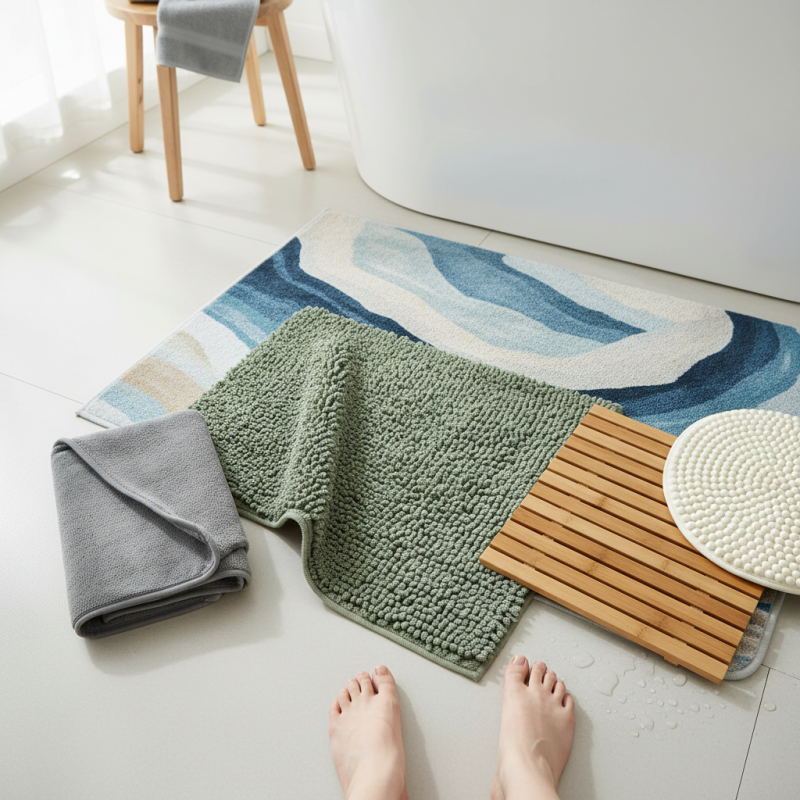
Choosing the right bath mat involves considering various key features. One essential factor is material. Popular choices include cotton, microfiber, and memory foam. Cotton mats are absorbent but may require frequent washing. Microfiber offers quick drying and softness, making it ideal for busy households. Memory foam provides comfort and support, appealing for those who spend longer in the bathroom.
Another important feature is size. A bath mat should fit well within your space, covering the area near your tub or shower without being overly large. A report from the Home Textiles Association states that a well-placed mat can reduce slip hazards by up to 70%.
Texture also plays a role. Non-slip backings are crucial for safety, especially in family homes. However, some mats can wear down quickly, becoming less effective, and might need replacing sooner than expected.
Color and design can impact your bathroom's aesthetics. Neutral tones work well for a classic look, while vibrant colors add personality. Unfortunately, color fading can be an issue with cheaper mats, necessitating thoughtful selection. It's also wise to consider ease of care. Some mats are machine washable, while others require spot cleaning. Regular maintenance prolongs the life of your bath mat and keeps your bathroom looking fresh.
How Material Affects Comfort and Durability of Bath Mats
When choosing a bath mat, material significantly impacts comfort and durability. Cotton mats offer softness and absorbency. They feel great underfoot while effectively soaking up water. However, they may require frequent washing to maintain their look and hygiene.
Microfiber is another popular choice. It dries quickly and resists staining, making it a practical option. Yet, some users find it less cushy compared to cotton. Consider how often you bathe or shower—this decision will affect your choice.
Look for natural fibers. They tend to be more eco-friendly and can provide a more luxurious feel. Synthetic mats, while durable, might not offer the same level of comfort. Always check care instructions. Mats that are easy to maintain can enhance your experience. A good bath mat should strike the right balance between aesthetic and function. With thoughtful consideration of materials, you can find the perfect fit for your space.
Top 10 Bath Mat Tips for Choosing the Best One
| Tip Number |
Material |
Comfort Level |
Durability Rating |
Maintenance Ease |
| 1 |
Cotton |
High |
Medium |
Easy |
| 2 |
Microfiber |
Very High |
High |
Very Easy |
| 3 |
Memory Foam |
Very High |
Medium |
Moderate |
| 4 |
Bamboo |
Medium |
High |
Easy |
| 5 |
Rubber |
Low |
Very High |
Very Easy |
| 6 |
Chenille |
High |
Medium |
Moderate |
| 7 |
Synthetic Fibers |
Medium |
Medium |
Easy |
| 8 |
Cotton-Polyester Blend |
High |
High |
Easy |
| 9 |
Jute |
Medium |
Medium |
Moderate |
| 10 |
Hemp |
Medium |
High |
Easy |
Tips for Selecting the Right Size and Shape for Your Bathroom
Choosing the right bath mat is essential for both comfort and safety in your bathroom. Size and shape play a crucial role in making this decision. According to a recent industry report, about 40% of homeowners overlook the importance of accurate dimensions when selecting a bath mat. Improper sizing can lead to slips and falls, creating safety hazards.
When measuring your bathroom space, consider the layout carefully. A mat that is too small may look out of place, while one that is excessively large can restrict movement. For smaller bathrooms, a rectangular mat might fit better near the sink. Larger spaces may benefit from a round or oval mat, which can add visual interest.
It’s also vital to think about the aesthetic appeal. A bath mat should complement your bathroom decor. An average bathroom measures around 5x8 feet; thus, a mat size of approximately 20x30 inches is often ideal. Always check the material as well. Soft, absorbent mats reduce moisture accumulation, ensuring a more hygienic environment. Remember, the right bath mat not only enhances comfort but also contributes to your bathroom's overall safety.
Maintenance and Care Tips to Extend the Lifespan of Bath Mats
Maintaining your bath mat is key to its longevity. Regular washing is essential. At least once every two weeks, wash your mat in warm water. Use a gentle detergent to keep the fabric intact. Avoid bleach. It can degrade fibers and fade colors. Drying is also important. Air-drying is the best method, but if you must use a dryer, choose low heat.
Keep the mat clean and free from mold. Consider placing it in a well-ventilated area. This can help reduce moisture buildup. If you notice any stains or odors, treat them immediately. For stubborn stains, a mixture of vinegar and baking soda can work wonders. Test any cleaning solution on a hidden spot first. This helps prevent discoloration.
Check the backing of your mat too. Some materials lose grip over time. If your mat slips, it might be time for a replacement. Remember that catering to your bath mat’s needs can prolong its life, but it’s not foolproof. Reflect on your cleaning routine and make adjustments as necessary. Your bath mat deserves attention to maintain its functionality and appearance.
Conclusion
When selecting a bath mat, it’s essential to understand the various types available, as each offers unique benefits. Key features to consider include slip resistance, absorbency, and drying speed, which greatly affect both comfort and safety in the bathroom. The material of the bath mat plays a crucial role in its durability and comfort, with options ranging from cotton to microfiber and memory foam.
Additionally, choosing the right size and shape is important to ensure it fits well within your bathroom space while providing adequate coverage. To prolong the lifespan of bath mats, regular maintenance and care, such as washing and proper drying, are vital. By keeping these tips in mind, you can find the best bath mat that enhances your bathroom experience while ensuring safety and style.

 Yide Plastic